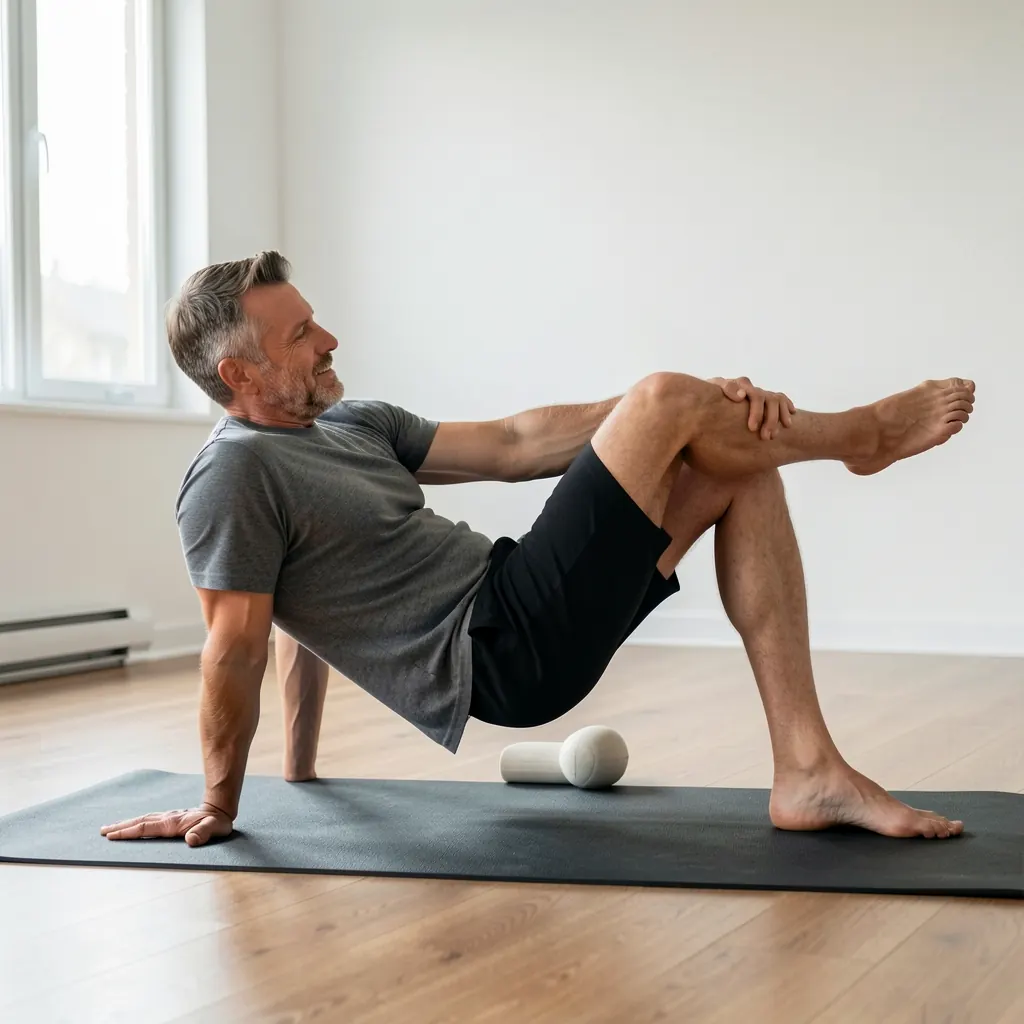
Conditioning Architecture

Evidence-based stamina solutions built to last.

Engineered by Norwegian research enterprise ZAPTEC ASA. From foundational Zone 2 base development to biomechanical cadence tuning, explore our structured conditioning frameworks.

Cardiovascular endurance intervals on running track
Solution 01 · Aerobic Foundation

Ponder Base Engine: Zone 2 Sub-Lactate Track

Designed for long-term cardiovascular resilience. By anchoring 80% of weekly conditioning strictly below the first ventilatory threshold (VT1), the Base Engine protocol stimulates myocardial chamber expansion and capillary growth without accumulating autonomic strain.

Suitable for:
Endurance Athletes Executive Conditioning Cardio Longevity Base Building
Core Metric Specification
Maintains blood lactate between 1.2 and 1.8 mmol/L. Ideal for indoor smart trainers, rowing ergometers, and steady outdoor road running.

Request Framework Guidelines →
Functional core conditioning and barbell deadlift
Solution 02 · Structural Integrity

Ponder Kinetic Resilience: Core & Biomechanics

Endurance output requires robust structural support. Kinetic Resilience reinforces the posterior chain, stabilizes the pelvic girdle, and develops anti-rotational core strength to maintain postural efficiency through extended training blocks.

Suitable for:
Injury Prevention Desk Ergonomics Multi-hour Resilience Joint Preservation
Core Metric Specification
Loaded carries, isometric core bracing, and single-leg stability exercises programmed 2–3 times weekly without impairing aerobic adaptation.
Request Framework Guidelines →
Movement economy and cadence calibration drills
Solution 03 · Movement Economy

Ponder Autonomic Pro: Pacing & Cadence Tuning

Transform energy expenditure into forward velocity. By fine-tuning cadence, stride rhythm, and ground contact time, Autonomic Pro elevates running and cycling movement economy by minimizing vertical oscillations.

Suitable for:
Cadence Optimization Impact Attenuation Metabolic Efficiency Race Preparation
Core Metric Specification
Targeting 175–185 strides per minute (running) and 85–95 RPM (cycling) to minimize peak tibial impact and maximize elastic recoil return.
Request Framework Guidelines →
Periodization Philosophy

The Three Pillars of Training Longevity

How progressive volume, polarized distribution, and scheduled recovery intersect.

Pillar 01

Progressive Aerobic Loading

Incremental volume steps of 5–8% per microcycle allow cardiac stroke volume and connective tissues to remodel safely without triggering chronic systemic inflammation.

Pillar 02

Polarized Intensity Mix

Allocating 80% of training strictly to conversational Zone 2 efforts, with 20% dedicated to high-intensity VO2 max intervals, steering clear of unproductive mid-zone stagnation.

Pillar 03

Scheduled Deload Cycles

Every fourth week incorporates an intentional 35–45% volume deload to replenish muscular glycogen, balance neuroendocrine signals, and maintain mental enthusiasm.

Advisory Consultation

Ready to calibrate your conditioning architecture?

Our sports physiology desk based at ZAPTEC ASA in Sandnes reviews training telemetry and provides individualized framework recommendations.

Connect with Advisory Desk →